Why Detecting PII Matters More Than Ever
Why Detecting PII Matters More Than Ever
Every modern application processes data. Usernames, emails, phone numbers, payment details, addresses, government IDs, IP addresses, chat logs, uploaded documents — all of it flows through APIs, databases, analytics systems, logs, and AI pipelines.
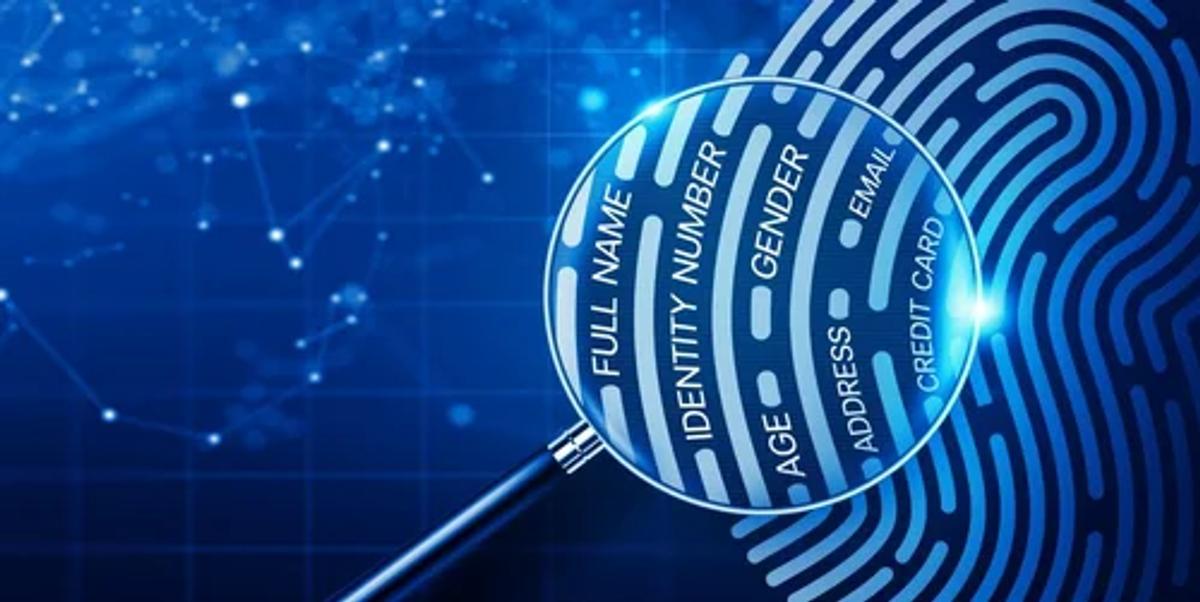
Hidden inside that data is something extremely sensitive: Personally Identifiable Information (PII).
PII refers to any information that can identify a person directly or indirectly. That includes names, email addresses, phone numbers, financial information, passport numbers, medical records, IP addresses, and more.
For startups and SaaS companies, detecting PII is no longer optional. It is a core security, privacy, and trust requirement.
What Happens When PII Is Not Detected
Most companies do not intentionally leak sensitive data.
Instead, PII quietly spreads across systems:
- Logs accidentally store user emails
- AI prompts contain private conversations
- Analytics pipelines ingest raw customer data
- CSV exports are shared internally without masking
- Screenshots expose payment details
- Support tickets contain addresses and IDs
Over time, sensitive information becomes impossible to track.
The result is a massive attack surface.
Cybercriminals target PII because it enables:
- Identity theft
- Financial fraud
- SIM swapping
- Account takeovers
- Social engineering attacks
- Doxxing and harassment
IBM notes that stolen PII is frequently used for identity theft, ransomware, and business email compromise attacks.
Real-world security discussions also show how leaked PII often causes damage months later after multiple breaches are combined together.
The AI Era Has Made PII Detection Harder
Modern AI systems process enormous amounts of unstructured text:
- Chat messages
- Uploaded files
- Emails
- OCR text
- Audio transcripts
- Customer support conversations
Traditional regex-based filters are no longer enough.
PII now appears in:
- Informal language
- Misspellings
- Screenshots
- Mixed languages
- Context-dependent phrases
- AI-generated outputs
Research shows that modern PII masking systems still struggle with demographic bias, contextual ambiguity, and inconsistent detection quality.
Even large language models themselves can leak memorized personal information under certain conditions.
That means organizations need smarter moderation and detection systems capable of understanding context, not just patterns.
Why Businesses Need Automated PII Detection
Manual moderation does not scale.
A modern platform may process:
- Millions of comments
- Uploaded images
- Documents
- AI prompts
- User messages
- Public posts
Automated PII detection helps companies:
- Prevent sensitive data exposure
- Reduce compliance risks
- Avoid accidental logging
- Mask data before storage
- Secure AI pipelines
- Protect customer trust
It also supports compliance with regulations such as:
- GDPR
- CCPA
- HIPAA
- PCI-DSS
Several security and compliance reports emphasize that automated PII discovery and monitoring are now critical for modern infrastructure.
PII Detection Is Also a Trust Problem
Users increasingly care about privacy.
People may forgive bugs.
They rarely forgive leaked personal information.
A platform that proactively detects and protects sensitive data signals:
- Security maturity
- Responsible engineering
- Privacy awareness
- Safer AI adoption
For businesses building AI products, moderation platforms, or social systems, strong PII detection can become a competitive advantage.
Building Safer Platforms With Smarter Moderation
Modern moderation systems should not only detect toxic content or spam.
They should also identify:
- Emails
- Phone numbers
- Addresses
- Government IDs
- Credit card details
- Banking information
- Medical data
- API keys
- Sensitive documents
This is especially important for:
- AI chat platforms
- Social networks
- SaaS tools
- Customer support systems
- Forums
- File upload services
- Enterprise collaboration apps
Detecting PII before storage or exposure dramatically reduces risk.
How Caution Labs Helps
Caution Labs builds AI-powered content moderation and safety infrastructure designed for modern applications.
The platform helps developers and businesses detect unsafe or sensitive content across text, images, and AI-generated workflows — including Personally Identifiable Information (PII).
Whether you are building:
- AI applications
- SaaS products
- Community platforms
- Social apps
- User-generated content systems
PII detection should be part of the architecture from day one, not added after a breach.
As AI systems become more deeply integrated into products, privacy-aware moderation is becoming foundational infrastructure rather than an optional security layer.
Learn more at Caution Labs Official Website.